Chiswick High Road house removals guide
Posted on 20/06/2026

Chiswick High Road House Removals Guide
Moving home along Chiswick High Road can feel simple on paper and a bit chaotic in real life. Traffic builds, parking disappears, stairwells narrow, and suddenly the sofa that looked perfectly manageable in the lounge feels, well, less manageable by the kerb. This Chiswick High Road house removals guide is designed to help you plan a calmer move, avoid common mistakes, and choose the right approach for your property, timing, and budget.
Whether you are moving from a period house off the High Road, a flat above a shop, or a family home a short drive away, the basics stay the same: plan early, pack sensibly, manage access, and use a removals team that understands the practical realities of west London. If you want a broader look at moving in the local area, you may also find the removals in Chiswick overview and the services overview useful as a starting point.
Below, you will find a clear guide to how a High Road house move works, what to expect, where the risks usually appear, and how to make the whole process feel less like a scramble. Let's face it, moving day is busy enough without making it harder than it needs to be.
Why Chiswick High Road house removals guide Matters
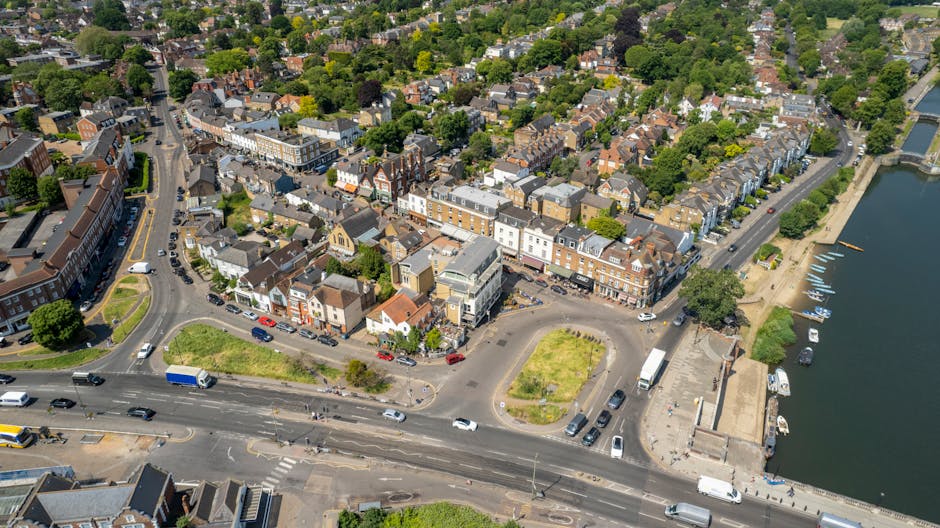
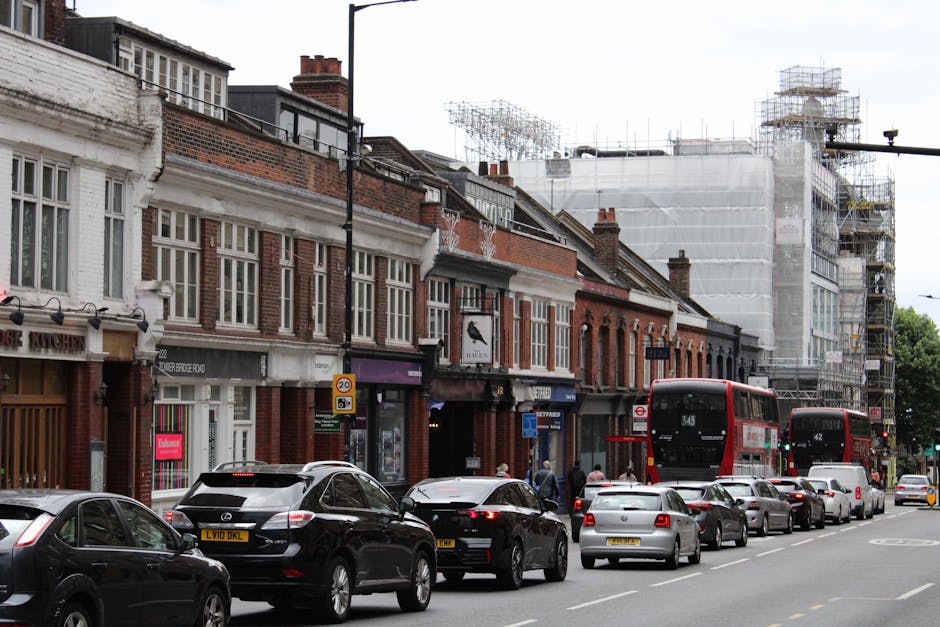
Chiswick High Road is a busy, lived-in stretch of west London. That sounds obvious, but it matters more on moving day than people expect. You are not just moving boxes from one address to another. You are working around delivery traffic, pedestrian flow, parking pressure, smaller access points, and the day-to-day rhythm of a busy local high street.
A good removals plan helps you reduce friction. A poor one creates delays before the first box is even lifted. If your moving van cannot stop close to the property, if lifts are not reserved, or if neighbours are surprised by a removal team blocking the shared entrance, the day can get awkward quickly. Nobody wants that. Especially not when there is a kettle somewhere in a box and you just want a cup of tea.
This guide matters because a local move is rarely just about distance. A one-mile move can still be a complicated move if access is tight or timing is wrong. Chiswick property types vary too. You might be dealing with terraced homes, maisonettes, flats over commercial units, converted buildings, or larger family houses. Each one needs a slightly different approach. That is where a local, practical removals plan pays off.
For people researching the area before relocating, these posts may help with the wider picture: reasons to consider moving to Chiswick, the quaint streets of Chiswick, and investing in Chiswick real estate.
How Chiswick High Road house removals guide Works
At a practical level, a house removal on or near Chiswick High Road follows the same broad sequence as most London moves, but with extra attention on access and timing. First, you assess the property. Then you estimate volume, choose the right removal method, book the date, pack the home, protect items, load the vehicle, transport everything, and unpack at the destination.
The real difference is in the details. For example, if you are moving from a first-floor flat above a shop, the route from front door to vehicle might involve stairs, street-level loading, and careful coordination so nothing obstructs foot traffic. If you are moving from a larger family property, you may need more time for dismantling furniture, managing fragile items, and handling parking near the front door.
In many cases, people choose between a full-service house removal, a man and van service, a man with a van option, or a larger vehicle via removal van hire support. The right choice depends on how much you are moving, how quickly you need it done, and whether you need help carrying bulky items.
Small moves can be surprisingly complex too. A couple of heavy wardrobes, a piano, or a stack of boxed books can change the logistics entirely. If you have specialist pieces, a dedicated service such as piano removals in Chiswick or furniture removals may be the more sensible route.
Key Benefits and Practical Advantages
The main benefit of using a thoughtful removals plan is simple: less stress. But there are several more specific advantages that are worth calling out.
- Better time control: you know what happens first, what happens next, and where the slow points are likely to appear.
- Lower damage risk: good packing and sensible lifting reduce breakages, scratches, and awkward wall knocks.
- Smarter transport choices: the right vehicle size stops you paying for unnecessary trips or struggling with undercapacity.
- Less disruption to neighbours and businesses: important on a high street where people are constantly coming and going.
- Better budget control: when the move is planned properly, you are less likely to need last-minute extras.
There is also a peace-of-mind benefit that is hard to quantify. You wake up on moving day knowing the sofa is wrapped, the box labels make sense, and the keys are where they should be. That sounds small. It isn't. It makes the day feel manageable.
If you are comparing providers, it is wise to review pricing and quotes early, and to check how a company approaches insurance and safety. Those two pages can tell you a lot about how seriously a firm handles real-world moving risks.
Who This Is For and When It Makes Sense
This guide is for anyone moving home around Chiswick High Road, but it is especially useful if you fall into one of these groups:
- Families moving from a larger house with multiple rooms and bulky furniture
- Flat movers dealing with stairs, shared entrances, or limited parking
- Renters who need a fast turnaround between tenancies
- Students or young professionals moving with fewer possessions but tighter deadlines
- People with specialist items such as instruments, mirrors, or fragile furniture
- Anyone who is trying to move on a weekend, at month-end, or during a busy local period
It also makes sense if you are trying to choose between a fully managed move and a lighter service. A couple moving from a compact flat might not need the same setup as a household shifting an entire four-bedroom home. Truth be told, a lot of stress comes from booking the wrong kind of service, not from the move itself.
For smaller homes, the page on flat removals in Chiswick is especially relevant. Students and short-term renters may prefer student removals. If timing is tight, same-day support can sometimes be the right call, which is where same-day removals comes into the picture.
Step-by-Step Guidance
- Start with a clear inventory. Walk through each room and list the big items, fragile items, and anything awkward to move. You do not need to catalogue every spoon, but you do need a realistic sense of volume.
- Measure the problem pieces. Large sofas, wardrobes, beds, and appliances are the usual culprits. Measure them, and also measure doorways, stair turns, and lift access. One overlooked corner can slow the whole day.
- Check access at both properties. Where will the van park? Is there a loading bay? Are there steps? Can the front door stay open safely while items move through?
- Choose the right service model. If you need packing, lifting, dismantling, and reassembly, a fuller removal service usually makes more sense than a basic man-and-van arrangement.
- Book a packing plan. Start with non-essential rooms first. Books, ornaments, seasonal clothing, spare linens, and framed pictures can be packed well before the final 24 hours.
- Label properly. Use room names and a short contents note. "Kitchen - mugs and pans" is far better than "misc." because, frankly, nobody has time to guess.
- Prepare an essentials box. Put in chargers, tea bags, toiletries, medications, pet items, snacks, tape, and a change of clothes. This one box saves a surprising amount of frustration.
- Protect the property. Floor coverings, door blankets, and careful handling matter more than people think, especially in older homes and narrow staircases.
- Load with logic. Heavy items first, fragile items last, and keep similar items grouped together. The van should be packed like a puzzle, not like a last-minute shed clear-out.
- Do a final walkthrough. Check cupboards, lofts, utility rooms, and behind doors. Some of the best moves still leave behind a few random objects. It happens.
Before booking, many people also like to read the company's broader approach on about the team and the full range of removal services in Chiswick. That helps you understand whether the provider is set up for a quick local move, a more complex house relocation, or something in between.
Expert Tips for Better Results
A few practical habits can make a big difference. They are not glamorous, but they work.
- Book your van timing around traffic, not just your calendar. A move that starts 30 minutes earlier can sometimes feel like a different day entirely.
- Keep screws and fittings in labelled bags. Tape them to the relevant furniture or put them in one clearly marked box.
- Wrap furniture before you think it needs wrapping. A small scuff on a painted wall can become a large annoyance very quickly.
- Use colour coding for rooms. Even basic coloured stickers help movers place boxes where they belong.
- Separate valuables and documents. Passports, bank papers, jewellery, and keys should stay with you.
- Tell your neighbours early if access may be tight. A short heads-up can avoid friction on the day.
One of the most overlooked details is post-move energy. People plan the transport, but not the landing. Have food sorted, have the Wi-Fi password ready, and if possible, make the beds first. You will thank yourself later. It is a small thing, but after a full day of lifting and shifting, small things matter a lot.
If sustainability matters to you, look into recycling and sustainability so you can dispose of unwanted items responsibly instead of sending everything into the bin in a rush.
Common Mistakes to Avoid
Most moving problems are predictable. The good news is that most are avoidable too.
- Leaving packing until the last minute. It usually leads to broken items, lost chargers, and a lot of swearing under your breath.
- Underestimating how much space furniture takes. A van that seems "probably fine" can end up being awkwardly small.
- Forgetting building access rules. Shared entrances, parking restrictions, and concierge arrangements matter.
- Not checking insurance terms. You want to know what is covered before moving day, not after.
- Ignoring specialist items. Pianos, artwork, and heavy furniture often need different handling.
- Mixing essential items into random boxes. That creates the classic first-night hunt for toothbrushes and phone chargers.
A very human mistake, and one I see quite often, is people treating the move as if it only starts when the van arrives. In reality, the move starts days before, sometimes weeks before. That is the bit that saves your sanity.
If you want reassurance on service expectations, it is worth checking terms and conditions and the company's health and safety policy. These pages can help you understand how the provider works and what standards they aim to follow.
Tools, Resources and Recommendations
You do not need a warehouse of equipment to move well, but a few practical tools make life much easier.
- Strong boxes: small to medium boxes are usually better than huge ones because they are easier to lift and less likely to collapse under weight.
- Packing tape and a dispenser: basic, yes, but essential.
- Bubble wrap and paper: useful for fragile items, glassware, and picture frames.
- Furniture blankets or pads: good for protecting surfaces on the walk to the van.
- Marker pens and labels: do not rely on memory. By the time you arrive, memory is already busy elsewhere.
- Zip bags: excellent for fittings, chargers, and small hardware.
For storage-related gaps in the move, such as delayed completion dates or downsizing, storage in Chiswick can be a sensible bridge. Some people only need it for a few days, while others use it for longer during a staggered move.
In terms of service choice, there is no universal winner. A bigger house, awkward furniture, or a long packing list usually points toward a more comprehensive service. A small flat, limited furniture, and a short local hop may suit a lighter setup. The page on house removals in Chiswick is helpful if your move is clearly a full household relocation.
Law, Compliance, Standards, or Best Practice
House removals in the UK are not just about trucks and boxes. There are sensible standards around safety, insurance, handling, and general duty of care. You do not need to be a legal expert to make a good choice, but you should expect a removals company to explain how it protects both people and property.
At a practical level, good practice usually includes safe lifting, suitable vehicles, clear communication, and reasonable care with fragile or high-value items. A professional mover should also be upfront about insurance, exclusions, and how claims are handled. If anything is unclear, ask before the move. It is far easier to ask a boring question now than a stressed one later.
For local moves, parking and access are often the biggest real-world issues. Depending on where you are moving from or to, you may need to think about pavement access, temporary stopping, building rules, or coordination with neighbours and property managers. Nothing dramatic. Just sensible planning.
You can also review the company's approach to payment and security and privacy if you want extra reassurance about bookings and customer information. These are the kinds of details that quietly signal whether a business is well run.
Options, Methods, or Comparison Table
Choosing the right removals method is often the key decision. Here is a simple comparison to help you weigh up the main options.
| Option | Best for | Pros | Watch-outs |
|---|---|---|---|
| Full house removals | Family homes, larger inventories, busy moving days | More support, better for bulky furniture, less strain on you | Usually costs more than a basic van-and-man setup |
| Man and van | Smaller moves, flat relocations, a few large items | Flexible, often quicker to arrange, good for local moves | May not suit heavier or more complex household moves |
| Removal van service | Transport-focused moves with some support needed | Good balance of capacity and practicality | Check exactly what loading help is included |
| Same-day removals | Urgent moves, last-minute changes, unexpected deadlines | Fast response, useful in a pinch | Less flexibility on timing and service scope |
If your move involves a lot of furniture or awkward items, it is worth looking at furniture removals specifically. For time-sensitive moves, same-day removals may be the better fit. And if you are comparing different company types, the local removal companies in Chiswick page can help you think through the options.
Case Study or Real-World Example
Here is a realistic example based on the kind of move people around Chiswick High Road often face.
A couple is moving from a two-bedroom flat above a shop to a Victorian terrace a short distance away. On paper, it looks straightforward. In practice, the flat has one narrow staircase, the High Road outside is busy by mid-morning, and the new house has a tight hallway with a bend that makes the sofa tricky.
They start early, pack the smaller rooms first, and keep an essentials bag with documents, chargers, keys, and a kettle. The movers arrive with a vehicle sized to avoid multiple trips, and the team walks through the access points before loading begins. One wardrobe needs dismantling, so that is handled before it becomes a problem in the stairwell. A few items go into temporary storage because the completion timing at the new place slips by an afternoon. Not ideal, but manageable.
The move is not completely flawless, because real life never is. But it is orderly, and that is the difference. No frantic searching. No blocked entrance. No surprise panic when the bed bolts vanish. Just a sensible move that finishes with boxes in the right rooms and a rather deserved cup of tea.
That is the real value of planning a Chiswick High Road move properly. You are not trying to make it perfect. You are trying to make it calm enough to handle.
Practical Checklist
Use this simple checklist in the final week before your move.
- Confirm your moving date and arrival window
- Check parking and access at both properties
- Measure large furniture and awkward items
- Book the right type of removal support
- Pack non-essential rooms first
- Label boxes clearly by room and priority
- Separate valuables, keys, documents, and medications
- Prepare an essentials box for the first night
- Protect floors, corners, and fragile surfaces
- Review insurance, payment terms, and move-day instructions
- Set aside cleaning supplies for the old property
- Do a final check of cupboards, lofts, and storage spaces
If you are at the planning stage, the best next step is often a quick conversation about service scope and budget. You can do that through the company's contact page if you are ready to ask specific questions.
Conclusion
A Chiswick High Road move is rarely difficult for one single reason. It is usually a mix of small complications: traffic, access, timing, packing, and the pressure of getting everything done in one day. The good news is that these are practical problems, not mysterious ones. With a clear plan, the right service, and a bit of local awareness, the whole thing becomes much easier to handle.
The best takeaway is simple: start early, move deliberately, and choose support that matches the reality of your home, not just the size of your optimism. That applies whether you are moving a few streets away or reorganising your life across west London. To be fair, moving will never be exciting in the same way as a Saturday in the park, but it can be smooth. And smooth is what you want.
Get a free quote today and see how much you can save.
If you want to know more about the team behind the service, you can also visit the about us page for a little more background before you decide. A good move starts with good information, and sometimes that alone makes the day feel a lot lighter.